LONG LIVE THE COMRADE ARTIST
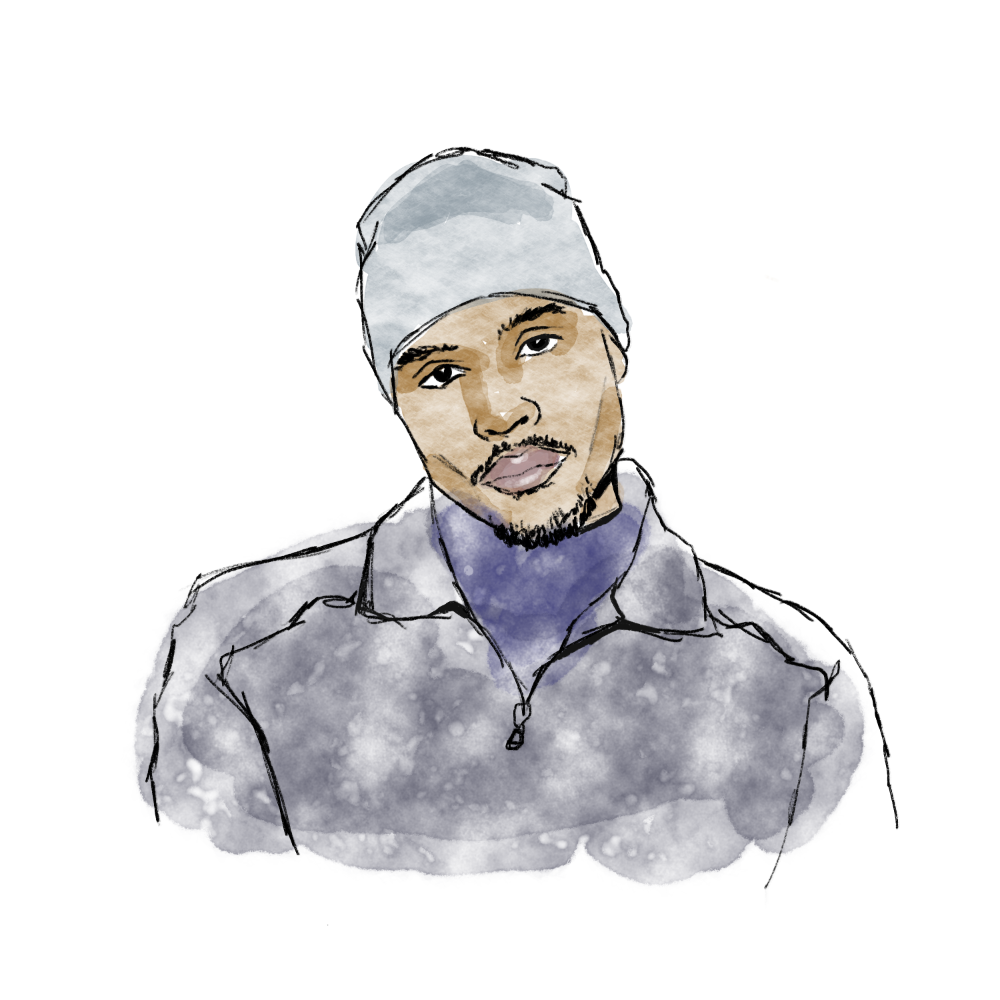
Nourished By Time
When Marcus Brown, known musically as Nourished By Time, spoke with Lawrence Burney about the need for organizing a strike fund at Sonic Legacies my eyes grew wide as if it was the first time I’d heard such a thing. I felt like a Black grandma at church who just heard a word she’d been praying to hear the way I wanted to hoot and holler. It was refreshing to hear an artist on the mainstream so grounded in the struggle to make that statement so matter-of-factly. In an age of surface level critiques of capitalism - or worse “the system” - it was nice to hear someone speak about how to support actual resistance.
It was also cool months later to read his feature on NME where he once again speaks on his political beliefs, something he clearly doesn’t shy away from. More to my surprise was the explicit acknowledgment of Marxism and worker ownership of the means of production being the core of his ideas.
In the NME interview he also speaks about the conflict of his political beliefs with that of success in the music industry and how success is quantified as an artist. Annahstasia, an artist I’ve grown to respect and love, speaks about this in her song “Silk and Velvet” directly saying “Maybe I’m a moralist/ an anticapitalist/ who sells her dreams for money/ to buy her silk and velvet”. More than she posts her own music, Annahstasia uses her Instagram to share important causes, especially concerning her hometown of Los Angeles, California. Annahstasia is also very open - more than most - about her relationship to art and capitalism. More than just a beautiful (and I mean beautiful) face and a resonant voice - Annahstasia’s growing profile hasn’t diminished her call to say what needs to be said. Whereas the cost of speaking out for Palestine is a smear campaign and cancelled representation and blacklisting for several artists, that threat hasn’t stopped her none. Even as it now becomes safe for people to acknowledge Israel’s war crimes, many artists hid in the shadows offering just a slight rebuke for the sake of Gazan children. Then there are others who are more human who’ve spoken out recognizing early the crisis at hand and wasting no time.
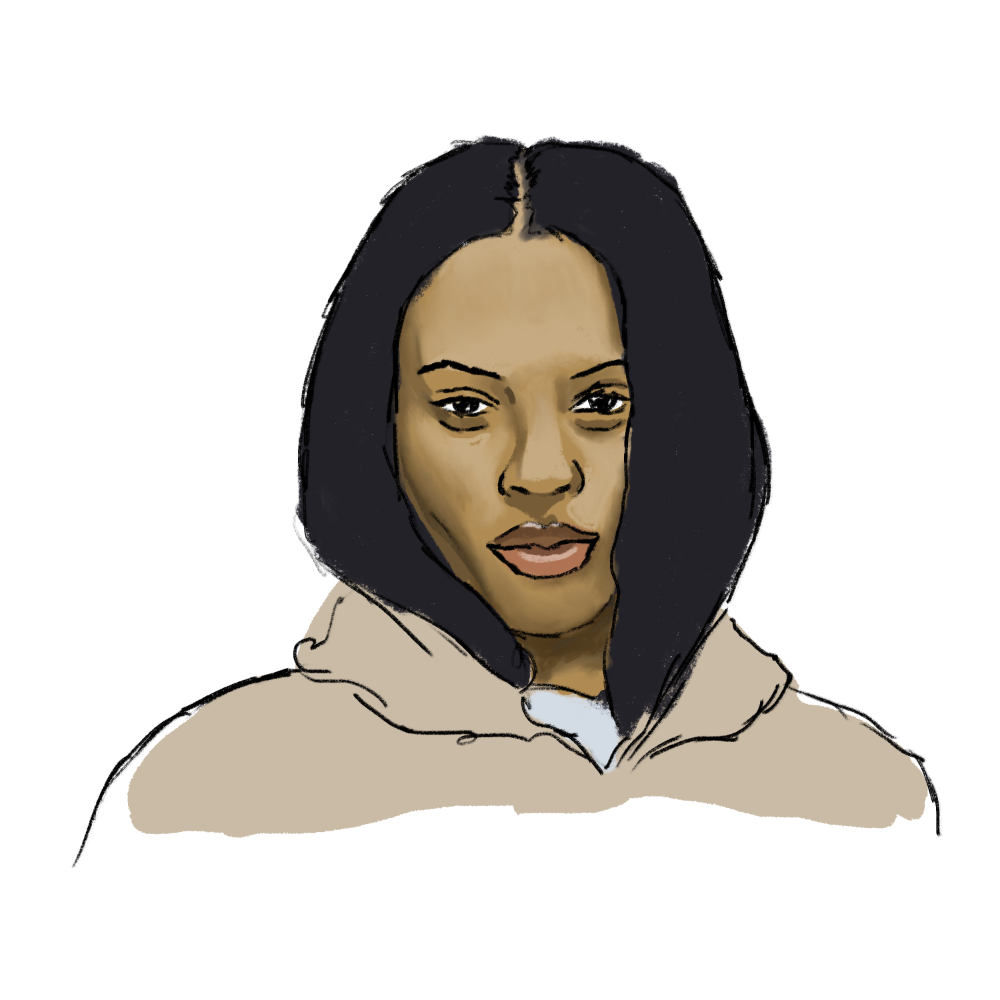
Annahstasia
Then there’s hip hop. Whereas hip hop was once a counterculture, it seems the culture now is largely counterinsurgent from the artists and producers to the media outlets and gatekeepersAn art form that once condemned the act of “selling out” now encourages such and denigrates those calling out the behavior as jealous or “crabs in a bucket” or worse, “too woke”. This would explain Pharell’s fundraising for the IDF, Kanye’s adoption of Nazism, and Timbaland’s promotion of AI artists being just a few examples of many.
As people are more interested in forms of escape or delusion, artists and their handlers are equally as interested if not more as they sell out to interests of capitalism and commerce. People who incorrectly call themselves music fans spend too much time debating album sales and chart placements to the extent that you’d think these labels did a hiring spree in their business analytics departments. Artists find themselves more concerned about streams as a measure of survivability and longevity in the rapidly transforming music industry.
Still - artists like Noname, Ghais Guevara, Jireh, Ivy Sole, Ricki Monique, and more point to where the spirit of resistance lies in the world of hip-hop and it’s the underground. It is there away from the glam and glitz of celebrity - often paid for by silence and complicity - that exists the true, or if not true then canonized, nature of hip hop and rap.
As if by some bait and switch, you won’t find Jireh talking about Marxism or capitalism in his music. If you listened to his song “Fbgm” you’d probably think he was just a typical rapper. But When I ask him how he stays grounded in his politics, he tells me how reading theory transformed how he saw the world and his place in it. It makes sense then that he’s a loud advocate for reading and an even louder hater of niggas that don’t read on purpose. I appreciate that, because Jireh is just one of many examples of the complex nature of people. Any of us can be a comrade. And our politics can be a part of everything we do, but it doesn’t have to be. But the places our value does show up and the way we use our voice is important.

Ghais Guevara
Philly rapper Ghais Guevara takes a more direct approach in addressing politics and power structures, directly mentioning them in his art. If the name isn’t a hint, then the track titles can give some insight. For example, “Patrisse Cullors Stole My Lunch Money” and “I Personally Wouldn’t Have Released John McCain” from his project There Will Be No Super-Slave are directly political just in their titles alone. “Scary hours for rappers that let the labels do the talking/ That rebellion ain’t coming from in the office nigga” he says on the latter. Still, his music isn’t necessarily dogmatic to the point of feeling like a lecture but rather infusing very important messaging with the same wordplay, metaphors, and storytelling that we love about hip hop. But there’s also his project Black Bolshevik that has a track called “Fuck the Nordic Model” that couldn’t be any more explicit.
It is time artists take back the culture by using the voice and influence we have through whatever platforms we have to speak the truth. Many artists fear alienating fans as if capitalism isn’t alienating the fans from the art form, and even worse, their humanity. We must stop treating confrontation and conflict as bad. Lack of awareness is a big issue, and in a society conditioned to avoid questions and confrontation, ignorance can only grow - especially as the forces of capital continue to exert their influence over culture. My grandma, like many Black elders, always said that when you know better you’re supposed to do better. And perhaps that is what we fear - the responsibility of having to do better once we know better - but that’s another essay for another time.
As fans - which as artists we should be both - we have a responsibility to support the cultural workers who are shaping the narrative. Hence, I will always preach about the importance of buying music. Share the work of our comrades and put others on. As we understand that society’s greatest evils work institutionally, we must think the same. What institutions can we create and support to counter. What media platforms can we engage with? What performance venues can we support? As Black folk, it is understood that our Black “buying power” is limited in scope despite what marketing machines and the interests vested in them may tell us. But this is not to negate the very real power that we do have through our behaviors, labor, and social influence.
As Toni Cade Bambara said, “The role of the artist is to make the revolution irresistible.” How can we demand more from our peers and ourselves to shape a culture that sees the humanity in all of us as opposed to a culture that only sees cash in a planet with ever-diminishing resources? How can we push the envelope politically and intellectually? In this particular instance, I find socialism and Marxism more aligned as economic and social theories that speak to the collective power of labor and work as opposed to the individualistic modus operandi of capitalism. Humans are social creatures and we’ve only gotten as far as we have through collective work for the interests of the common good. I appreciate and amplify voices who speak to that power. Long live the comrade artist.